 GRAUCH
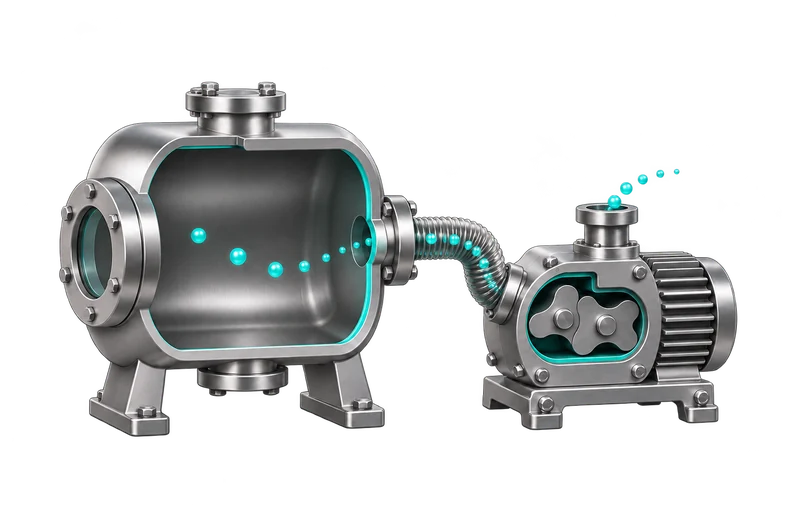
Pumpdown
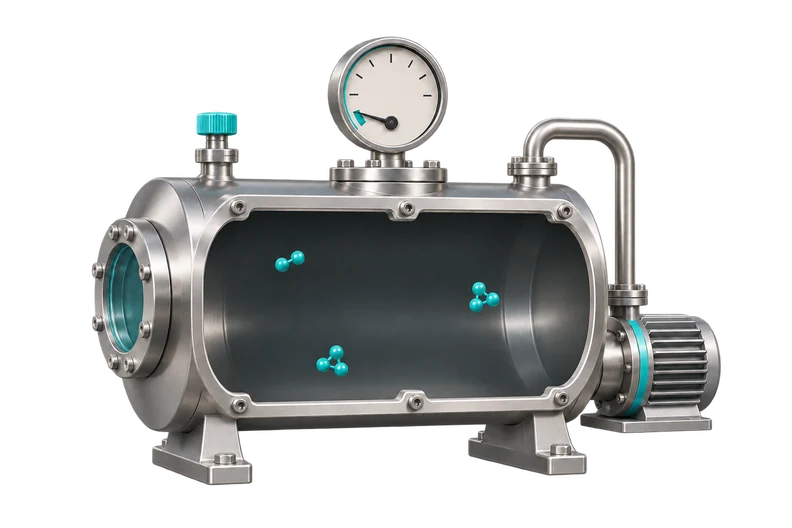
Every chamber has a typical pumpdown signature. Nitrogen and oxygen signal trends provide an early indication when pumpdown differs from the usual pattern.
Applications · GRAUCH
Wherever vacuum is part of everyday work, gas composition provides additional insight into changing chamber conditions during pumpdown, before the process and while introducing gases.
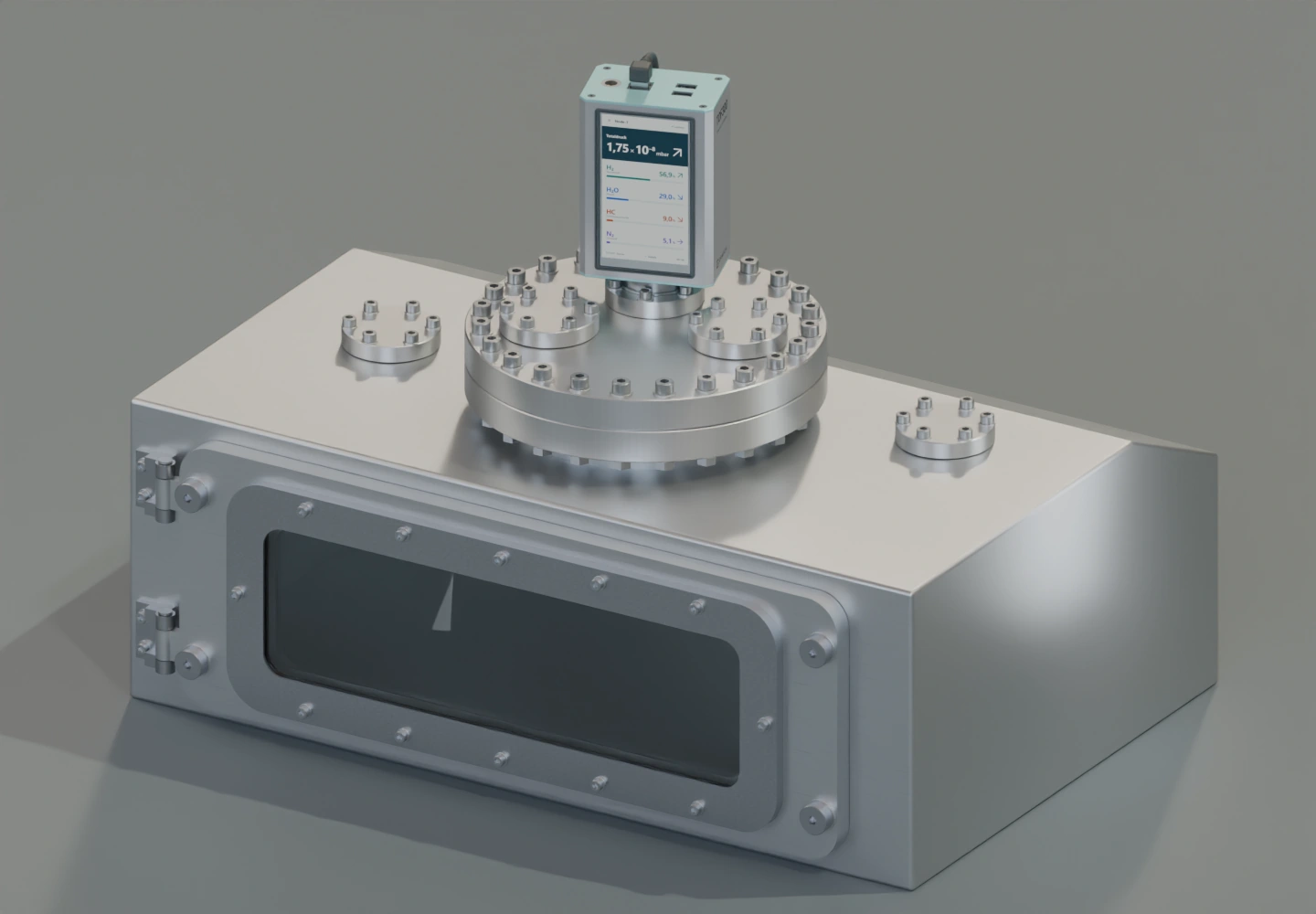
Every chamber has a typical pumpdown signature. Nitrogen and oxygen signal trends provide an early indication when pumpdown differs from the usual pattern.
Gas composition can differ even at the same base pressure. In a coating system, we observed water, hydrogen and heavier hydrocarbons in the residual gas.
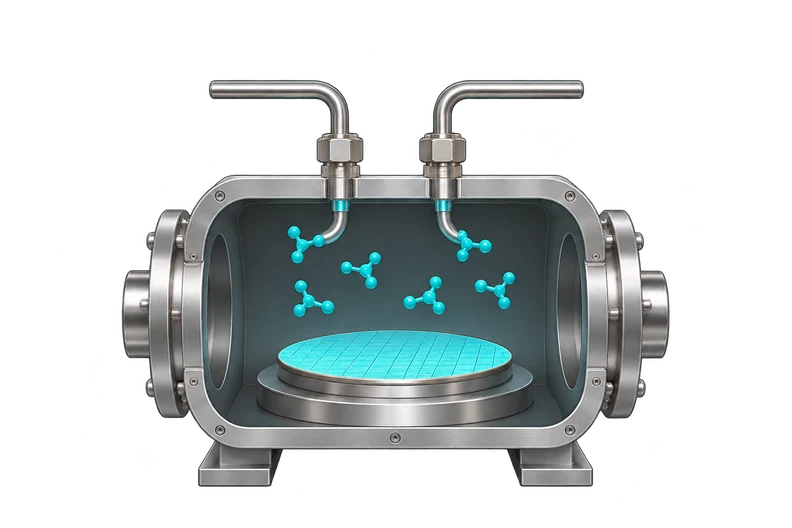
Alongside the settings of mass flow controllers, gas analysis tracks how the chamber composition changes and the relative proportions of the introduced process gases.
All three insights come from real measurements with our demonstrator.
Compare the three measurement situations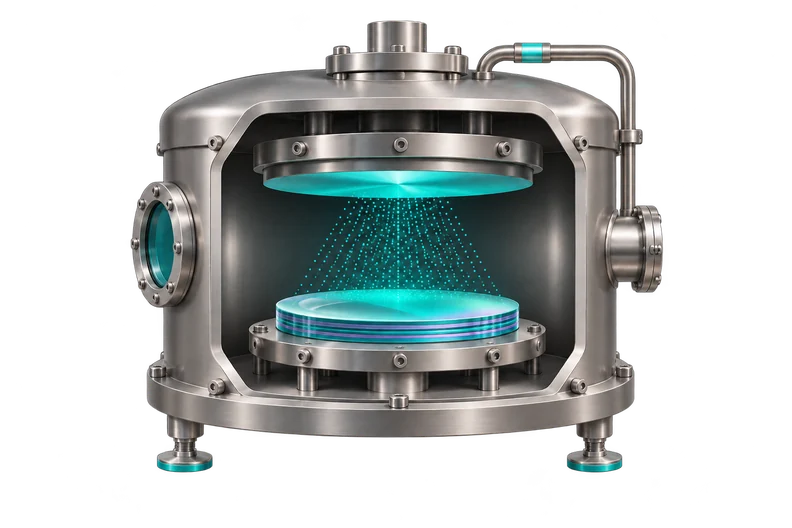
What remains in the chamber before coating?
After pumpdown, base pressure is an important reference. Additional gas signals reveal how water and other residual gases change, allowing more specific comparisons before process gases are introduced.
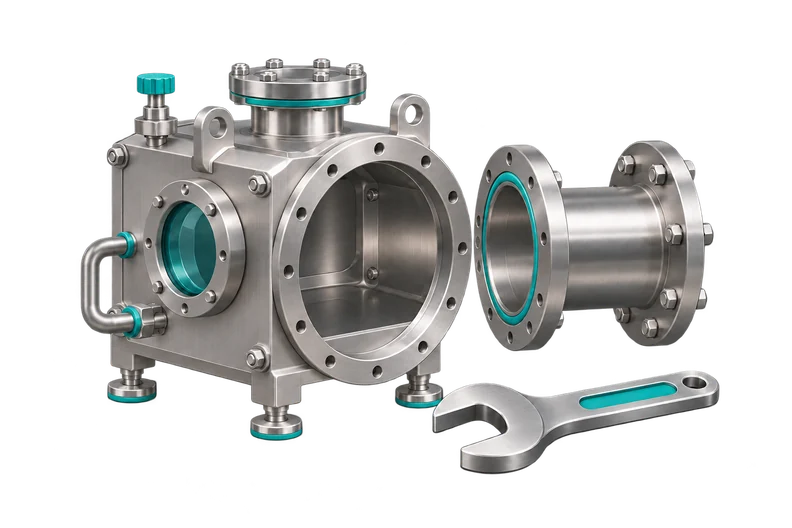
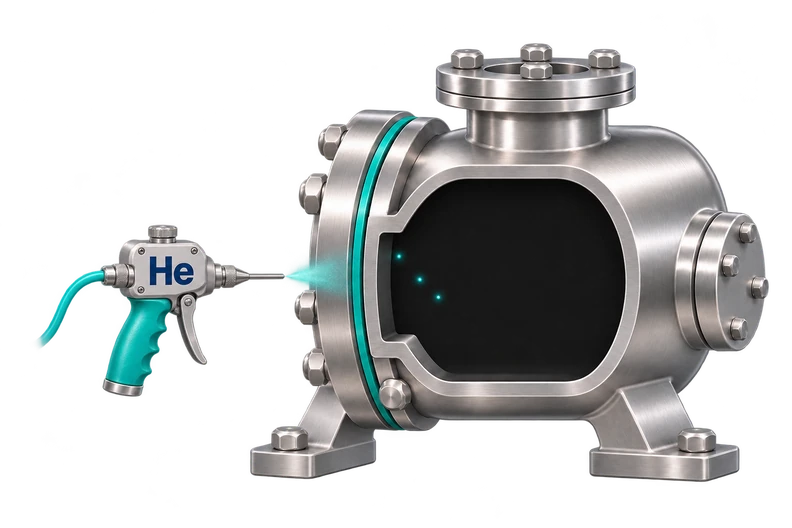
Is the flange leak-tight after assembly?
After assembly, a flange connection can be tested directly on the equipment. The chamber is evacuated and helium is applied locally to the outside of the seal. A rise in the helium signal inside the chamber points to a possible leak at the connection under test.
Gas signals can also help identify air ingress during pumpdown or residue after maintenance.
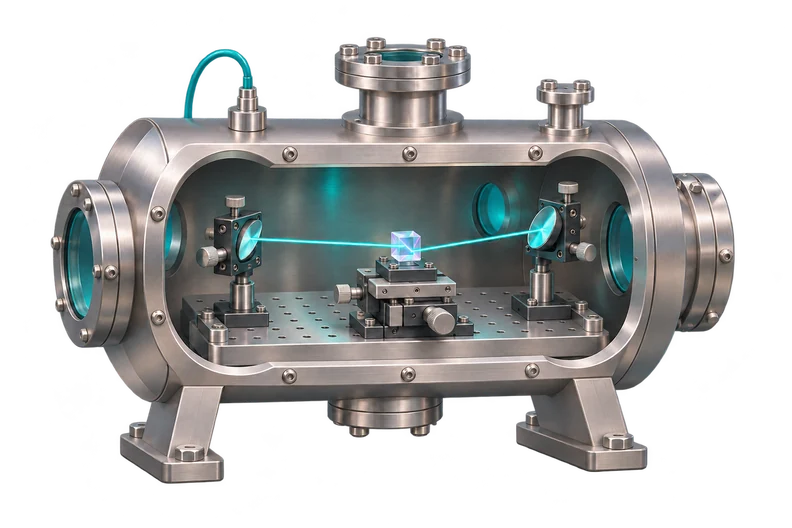
Which gas conditions accompany the experiment?
From a single vacuum setup to an entire institute, gas composition helps researchers investigate differences between experiments. Trends after venting, modifications or cleaning can provide additional clues about chamber conditions.
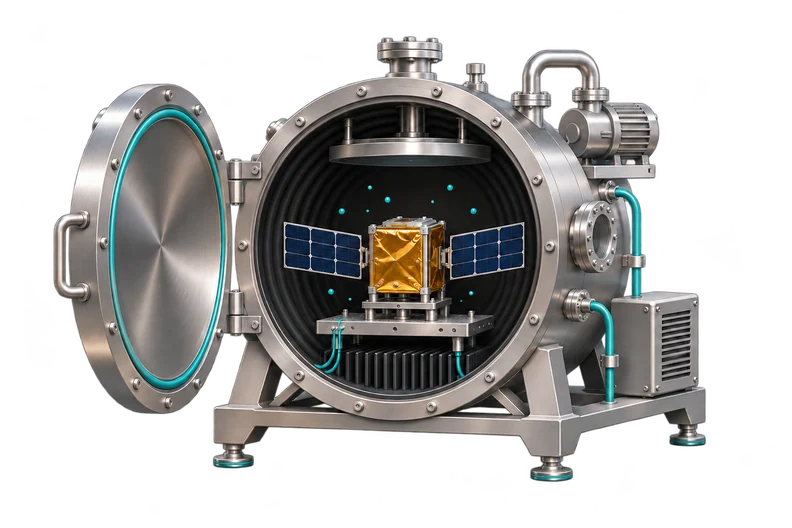
What do materials release during thermal-vacuum testing?
In thermal-vacuum testing, changes in gas composition over the course of a test are of interest. Outgassing and the cleanliness of the chamber and test article are potential questions for additional gas diagnostics.
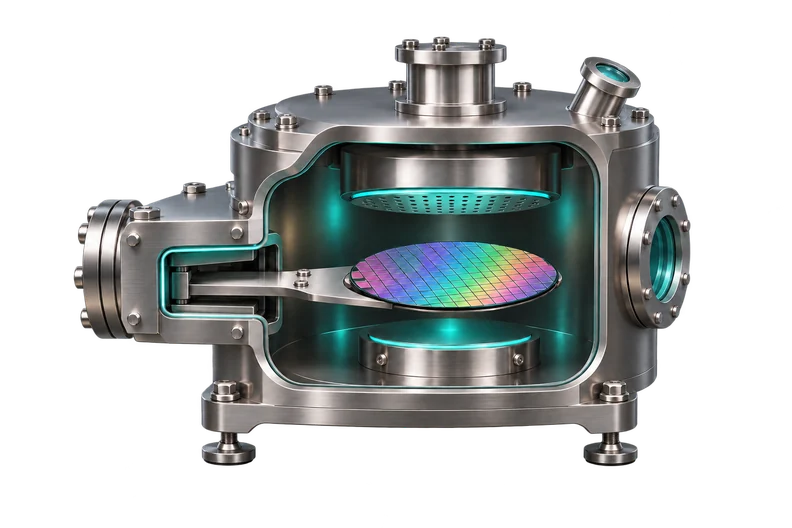
What remains between two process steps?
Relevant observations include residual gases after venting, maintenance or process changes, and the proportions of introduced gases. Suitability for a specific system depends on the gases, pressure and measurement conditions.
When testing a seal, we track how the helium signal changes inside the chamber.
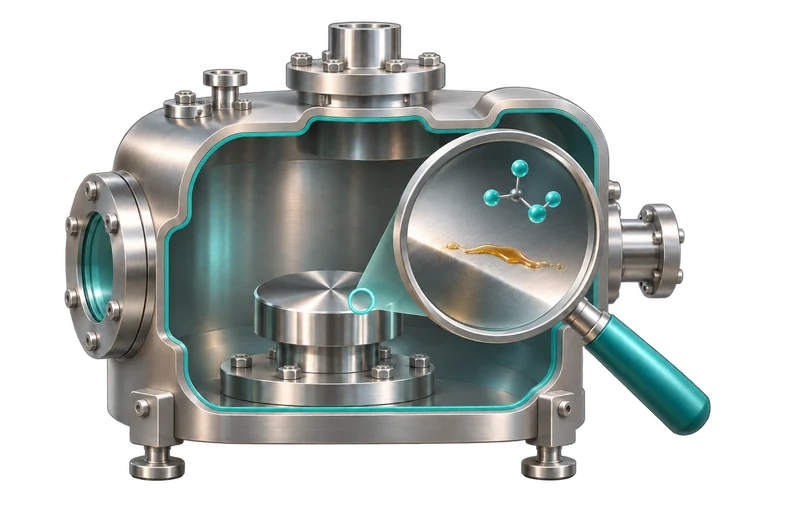
After maintenance, signals from heavier constituents can indicate residue in the chamber.
Requirements differ between systems. The conclusions that can be drawn and the required measurement conditions are tested for each application.
What information do you need beyond a pressure value? Tell us about your chamber and the question you want to answer.
Discuss your application and a field test